
تغذية الأمراض
The Role of Chrononutrition and Magnesium in the Regulation of Sleep Quality
Sleep is an active and highly regulated physiological process governed by complex interactions between the hypothalamus, neurotransmitters, hormonal…
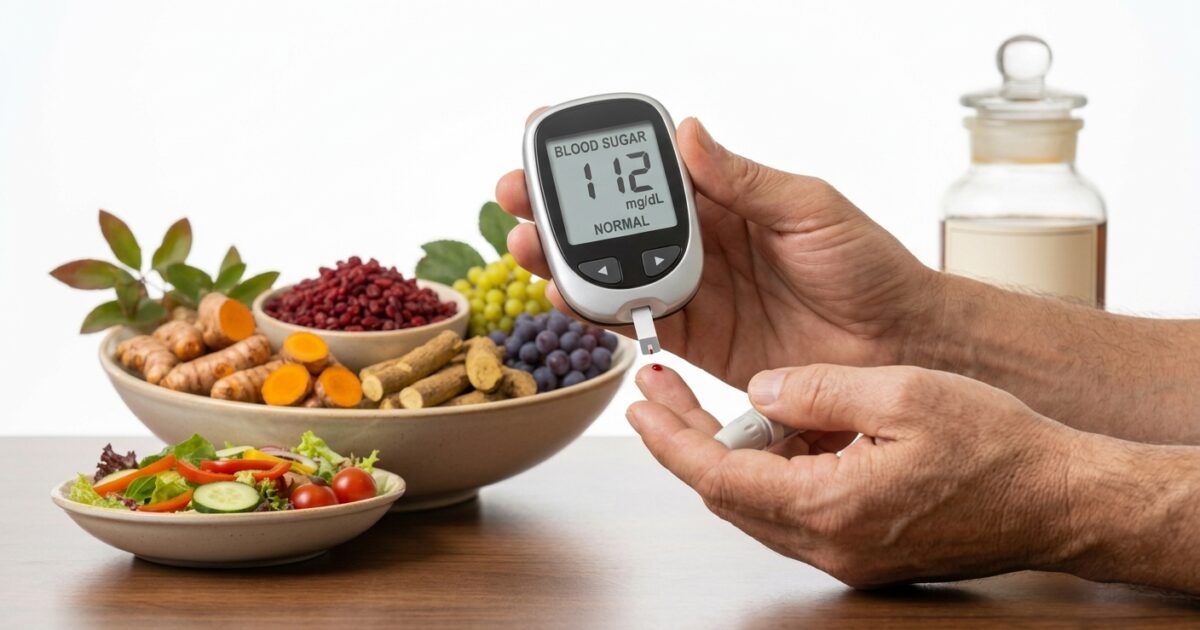
Interest in natural supplements that support blood sugar management
continues to grow, especially among healthcare professionals and
individuals seeking complementary approaches to metabolic health. Among
the most discussed supplements are inositol, chromium, and
berberine—often referred to as “Nature’s
Metformin.”
But can berberine truly help regulate blood sugar, and does
scientific evidence support its use?
Berberine is a naturally occurring bioactive compound found in plants
such as European barberry. It has been used for
centuries in Traditional Chinese Medicine and has recently gained
worldwide attention for its potential role in supporting blood sugar
regulation, improving insulin sensitivity, and managing type 2
diabetes.
A randomized controlled trial published in 2023
evaluated the effects of berberine on insulin sensitivity in individuals
with Type 2 Diabetes Mellitus (T2DM). Participants
received 500 mg of berberine before each meal, while
the comparison group received metformin over a three-month period.
The findings showed that berberine significantly reduced
fasting blood glucose and HbA1c
levels, with encouraging improvements in glycemic control. However,
current evidence remains limited, and metformin continues to be
the first-line treatment for type 2 diabetes.
Berberine primarily improves insulin sensitivity by activating the
AMPK (adenosine monophosphate-activated protein kinase)
pathway.
By lowering ATP levels, berberine activates AMPK, triggering the
body’s energy-conserving mechanisms. This process reduces fat synthesis
while increasing fat breakdown, helping decrease fat accumulation and
improve insulin signaling.
In skeletal muscle, AMPK also increases the expression of
GLUT4, a glucose transporter that allows glucose to
enter cells more efficiently with less dependence on insulin. As a
result, insulin resistance decreases, pancreatic beta-cell stress is
reduced, and long-term metabolic health may improve.
Key benefit:
Berberine may be beneficial as a supportive supplement for
individuals with:
Recommended dosage: 500 mg.
Best timing: Before each meal for optimal
effectiveness.
Duration: It is generally recommended not to exceed
three months without medical supervision. Always consult a healthcare
provider before starting supplementation.
Lifestyle matters: Berberine is not a substitute for
healthy habits. The best outcomes are achieved when combined with a
balanced low-glycemic diet and regular physical activity.
Current evidence suggests that berberine may support blood
sugar regulation and improve insulin sensitivity, making it a
promising complementary supplement for metabolic health. However, it
should not replace prescribed medications such as
metformin, and further high-quality clinical research is still
needed to confirm its long-term effectiveness.
Learn more about berberine and discover the potential health benefits
that extend beyond blood sugar management.
Written by: Bayan Yahya — Clinical Dietitian
Reviewed by: Dr. Mai Ghabbashi, Raneem Mahboob, Dalia Sindi, Jumana Almatrfi
Coordination: Farah Al-Sobhi, Rataj Al-Akfi
Design: Afnan Al-Ruhaili, Shahad Al-Sawwat, Farah Al-Asmari
إعداد:
Bayan Yahya
Classified Clinical Dietitian
Sleep is an active and highly regulated physiological process governed by complex interactions between the hypothalamus, neurotransmitters, hormonal…
التغذية المتوازنة ليست مجرد مصدر للطاقة، بل تلعب دورًا أساسيًا في دعم الصحة النفسية، وتحسين المزاج، وتعزيز وظائف…

هل شعرت يومًا بألم حاد في الخاصرة أو أسفل الظهر دون سبب واضح؟ قد تكون حصوات الكلى هي…